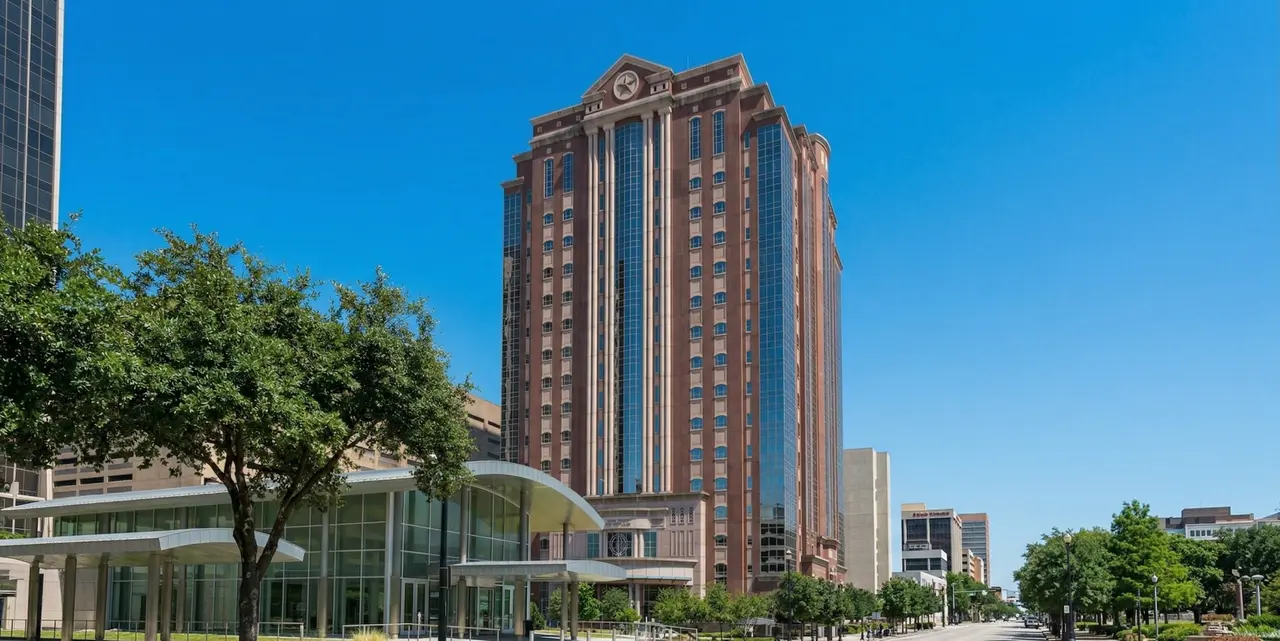

Where Your Heights Probate Case Is Handled
The Houston Heights runs from Interstate 10 north to the 610 Loop, and from North Shepherd east to Studewood and North Main, about four miles northwest of downtown. All of it sits inside the City of Houston and inside Harris County, which makes the probate easy to place: your case is filed in the Harris County Probate Courts at 201 Caroline Street, roughly five miles southeast. Houston Probate Attorney Kyle Robbins files there every week and knows how each of the county’s five probate courts prefers to run a case.
There is no venue puzzle here the way there is in Katy or Kingwood, where a county line can run through the neighborhood. Woodland Heights, Norhill, Sunset Heights, Shady Acres, and the historic core around Heights Boulevard are all Harris County addresses, so a home in any of them files in the same downtown courts. What makes a Heights estate distinct is not which court hears it. It is what the family inherits along with the house.
The Historic District Comes With the House
The Heights began in the 1890s as one of Houston’s first planned streetcar suburbs, laid out on high ground with the broad, tree-canopied esplanade of Heights Boulevard down its spine. More than a century later, much of that original fabric survives, and the City has moved to protect it. Several distinct City of Houston historic districts now cover parts of the neighborhood, including Houston Heights West, Houston Heights East, and Houston Heights South, along with Norhill and Woodland Heights. These are city designations with real force, and they are different from the honorary national-register listing that parts of the Heights also carry.
For an heir, that distinction matters. Inside a City historic district, a Certificate of Appropriateness from the Houston Archaeological and Historical Commission is required before anyone can alter the exterior, add on, relocate, or demolish a contributing structure. The City strengthened the rule some years back, removing the old waiver that once let an owner wait out a denial and demolish anyway. Today a commission denial is binding, and a contributing home generally may not be demolished unless the owner can show an unreasonable economic hardship or an unusual and compelling circumstance. Owners are not even allowed to let a protected home decay into a teardown by neglect.
None of that stops you from inheriting or selling the house. The designation does not cloud title, and it does not slow the probate. What it does is shape who will buy it and what they can do with it:
- The buyer pool narrows toward restorers, not builders. A contributing home in a protected district is worth more to someone who intends to keep and renovate it than to a builder counting on a clean teardown.
- A teardown offer can be shakier than it looks. A builder who assumes an easy demolition may retrade the price or walk once they learn the home is a contributing structure. Confirming the historic status early keeps a sale from collapsing at the last minute.
- The rules follow the property, not the owner. When the estate sells, the buyer inherits the same Certificate of Appropriateness obligations. The constraint does not reset at closing.
The estate still has to clear title through probate before any of that can happen. For a Heights home that usually means one of three paths: a muniment of title when there is a valid will and a paid-off home with no unpaid debts, an affidavit of heirship in some cases where there is no will and the heirs agree, or an independent administration when the estate is larger, has debts, or needs a representative with full authority to act.
A Bungalow Bought Long Ago Is Now the Whole Estate
The other thing that defines a Heights estate is appreciation. Original owners who bought a Craftsman bungalow or a Victorian cottage decades ago, back when the Heights was a quiet working neighborhood, are the generation now passing on. The homes they leave behind sit in a market where the median value runs well into the high six figures, so a house that once cost very little can be, by a wide margin, the largest asset in the estate.
That concentration raises the stakes on getting the legal side right. When the home is most of what the family owns, a stalled title or a missed probate deadline is not a small problem. It is the whole inheritance sitting frozen. It also brings the over-65 school-tax ceiling into play. If the owner was 65 or older, school taxes on the homestead were held to a ceiling under Texas Tax Code Section 11.26, and that freeze generally does not pass to adult children, so the tax bill on an inherited Heights home can climb in the first year after the death. A surviving spouse who was at least 55 when the owner died can usually keep it, but only by filing with the Harris Central Appraisal District. It is not automatic.
Selling an Inherited Heights Home
The Heights has one of the most active inner-Loop markets in Houston, and there is real demand for these homes, both from families who want to restore a bungalow and from builders working the blocks that are not protected. An as-is sale can move quickly once the legal side is handled. The two do not have to happen in sequence. You can go under contract while probate is still open, then close as soon as the court issues Letters and an independent executor can sign.
That is the point of how we structure these cases. When the estate is a Heights home, the legal work and the sale move together, and, as the offer above lays out, our fees can wait until the house sells rather than coming out of your pocket up front. The one thing not to do is let the home sit. A vacant house runs up property taxes, insurance, and upkeep every month, and in a protected district a home left to deteriorate can draw the City’s attention on top of everything else.
Why Not Just Hire the Firm Down the Street?
The Heights has no shortage of nearby lawyers, and proximity to the courthouse is not the variable here. Every Harris County probate runs through the same five courts, and most uncontested matters run over Zoom and by electronic filing. What differs is whether the attorney has handled the version of your situation where the estate’s one big asset is a historic-district home.
That case is not a routine administration. It touches the Certificate of Appropriateness rules that govern what a buyer can do, the tax-ceiling question that changes the carrying cost, and the title-clearing path that has to finish before any sale can close. Handled early, a Heights estate usually resolves cleanly and sells for what the home is worth. Handled late, after a builder has walked or a deadline has slipped, the family has fewer options.
If you have inherited a Heights home and are not sure whether you need a muniment of title, an affidavit of heirship, or a full administration, or whether the house sits in a protected district, that is exactly the call to make. We will tell you what applies, what it costs, and what happens next, at no charge.